
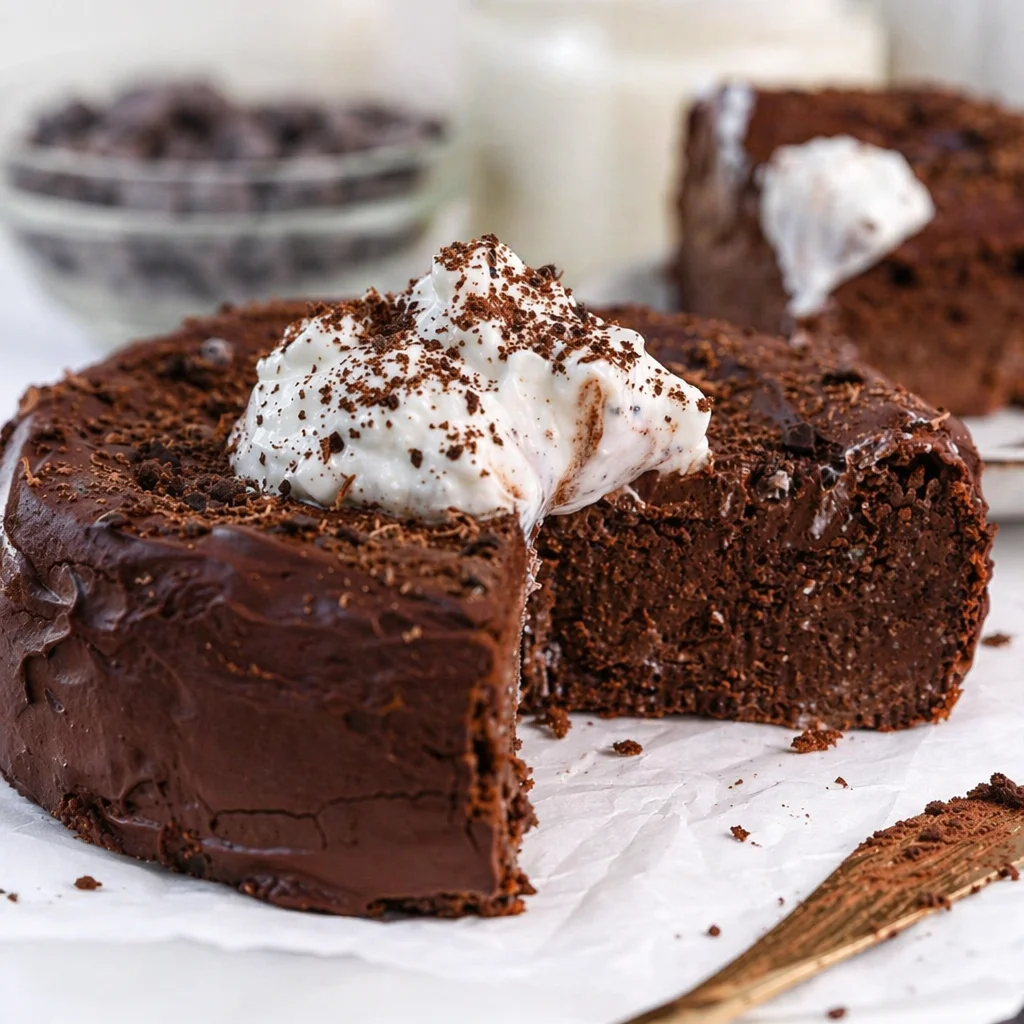
High-protein cakes are my favorite solution for that very specific moment when I want something sweet, but I also do not want a sugar crash an hour later. I used to think protein baking meant dry, chalky, sad little slices that tasted like gym vibes. Then I started tweaking a few basics at home and realized it can actually be soft, rich, and honestly satisfying. Today I am sharing the high protein cake I make the most, plus the exact tricks that keep it tasting like a real treat. If you are trying to hit your protein goals and still want dessert, you are in the right place. 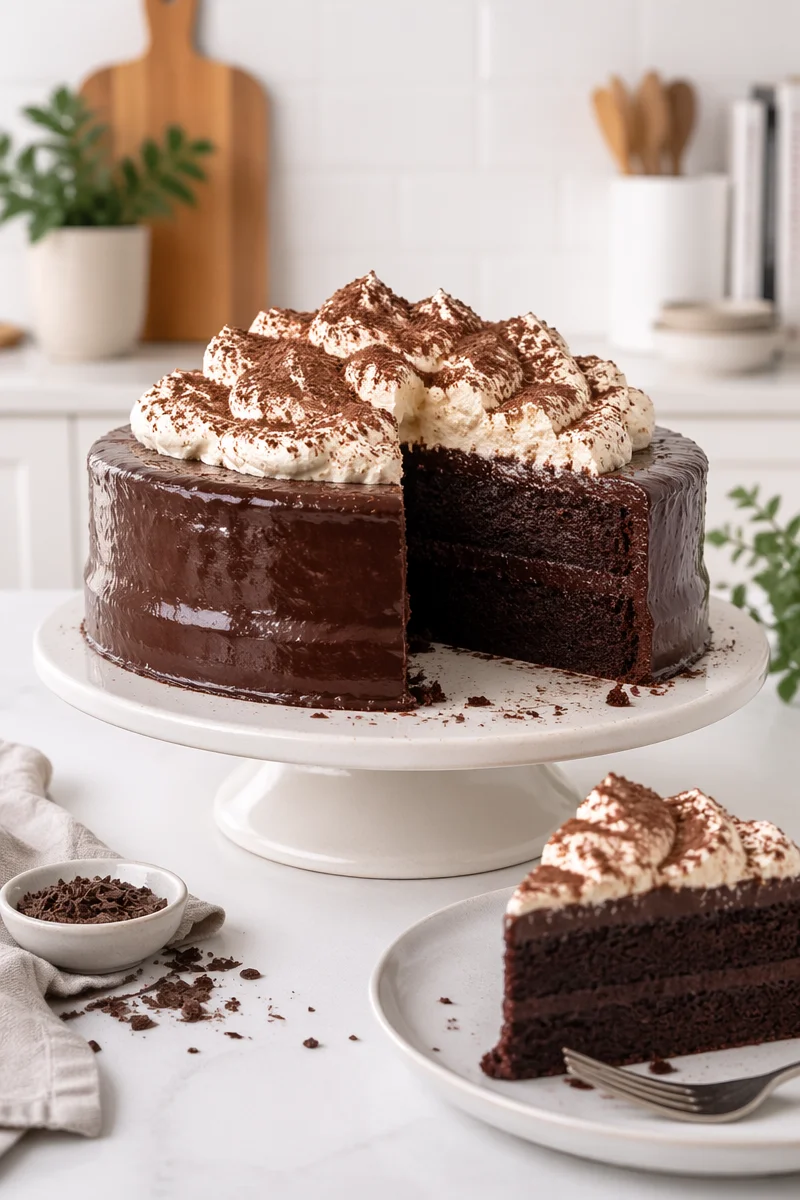
High protein cake
This is the go to high protein cake I make when I want something easy, chocolatey, and not complicated. It bakes in one pan, uses normal grocery store ingredients, and you can dress it up with frosting or keep it simple with berries. I like it because it feels like a real dessert, not a compromise.
My go to chocolate high protein cake recipe
Flavor: deep chocolate, lightly sweet, super snackable.
Texture: moist like a brownie cake hybrid if you do not overbake it.
What you will need
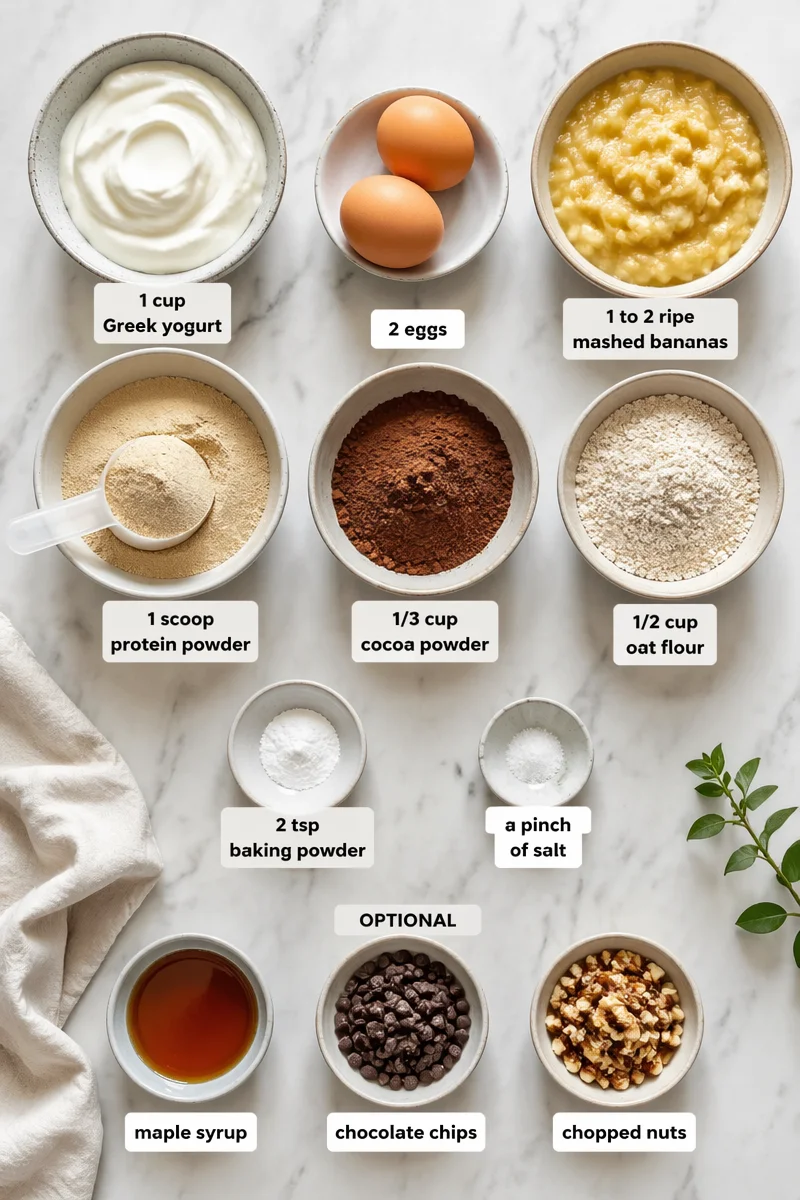
- 1 cup plain Greek yogurt
- 2 eggs
- 1 to 2 ripe bananas, mashed (more banana equals more sweetness)
- 1 scoop protein powder (about 25 to 35 g)
- 1 third cup cocoa powder
- 1 half cup oat flour (or blended oats)
- 2 tsp baking powder
- Pinch of salt
- Optional: 2 to 3 tbsp maple syrup or honey, especially if your powder is not sweet
- Optional: chocolate chips, chopped nuts, or berries
How I make it
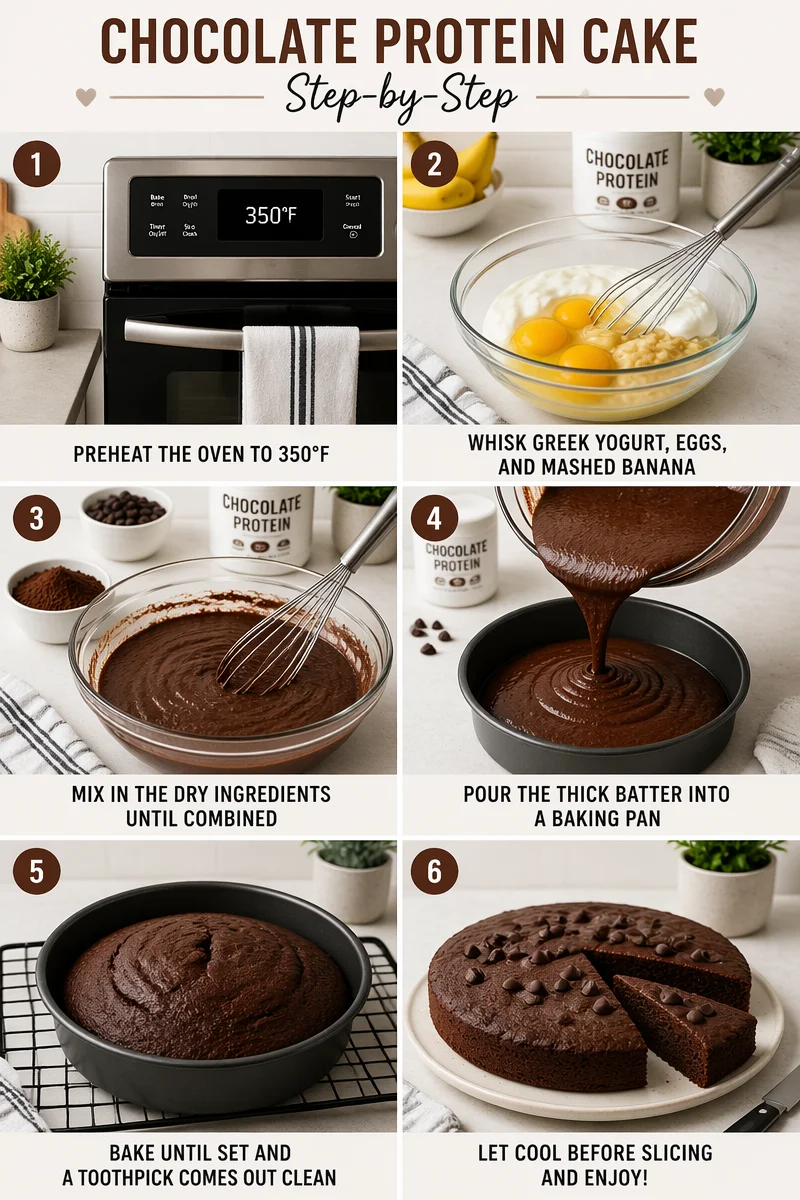
Preheat your oven to 350 F. In a bowl, whisk the Greek yogurt, eggs, and mashed banana until it looks smooth. Stir in the protein powder, cocoa powder, oat flour, baking powder, and salt. The batter should be thick but spreadable, kind of like brownie batter. If it looks too thick, add a splash of milk. Pour into a lined or greased 8 inch pan, then bake for 20 to 28 minutes. I start checking at 20 minutes because every oven is a little dramatic.
Let it cool before slicing. If you cut it too early, it might stick to the knife and feel underdone, even if it is perfect.
Serving ideas I actually use
Sometimes I top a slice with a spoon of yogurt and strawberries, and it feels like dessert and breakfast had a meeting. If you are in a pancake mood, you might also like these best fluffy cottage cheese pancakes because they scratch that sweet craving while still feeling balanced.
Also, if you love the brownie vibe, you should peek at this decadent high protein brownie skillet recipe. It is cozy and perfect for sharing, or not sharing, no judgment.
What protein powder is good for baking?
This part matters more than people think. The wrong protein powder can make high-protein cakes taste dry or weirdly rubbery. The good news is you do not need a fancy brand, you just need to know how it behaves.
My simple rule: pick a protein powder you already like the taste of in a shake. Baking concentrates flavors, so if it is not good cold, it will not magically become good hot.
Whey protein usually bakes up lighter and more cake like. It is great for fluffy textures but can dry out if you overbake. If your whey is very sweet, reduce extra sweeteners.
Casein protein absorbs more liquid and tends to make baked goods thicker and a bit more dense. I love it for brownie style cakes because it holds moisture well if your batter has enough yogurt or banana.
Plant based protein can work really well, but it depends on the blend. Some pea based powders taste earthy or get gritty. If you use plant based, I suggest adding extra vanilla, a little more sweetener, and do not skip the salt. Salt is what makes chocolate taste like chocolate.
Quick fixes if your cake turns out dry
Add one of these next time:
More yogurt, an extra half banana, a splash of milk, or 1 tbsp oil. Also, bake it less. Most “dry protein desserts” are just overbaked.
I learned a lot of this by playing around with other cute cake styles too. If you like fun, nostalgic sweets for parties, this one is adorable: vintage Australian pink jelly coconut cakes. Not a protein recipe, but it is great inspiration for texture and sweetness balance.
Dietary adaptations
I like recipes that are flexible because real life is messy. Here is how I adjust my high protein cake depending on who is eating it, what is in my pantry, and what my stomach is doing that week.
Gluten free
Use oat flour that is certified gluten free, or swap in almond flour. If you use almond flour, the cake will be more tender and slightly richer, and you may need an extra tablespoon of oat flour or cocoa to keep it from being too wet.
Dairy free
Swap Greek yogurt with a thick plant based yogurt. Coconut based works best because it is creamy. Use a plant based protein powder, and add a tiny bit more sweetener since some dairy free yogurts are tangy.
Lower sugar
Skip maple syrup and rely on banana plus a flavored protein powder. You can also add cinnamon and vanilla to make it taste sweeter without adding sugar. This is a big reason I keep baking high-protein cakes at home. I control the sweetness and it still feels like a treat.
Higher protein
Add an extra egg white, or mix in a couple tablespoons of powdered peanut butter. You can also top slices with Greek yogurt to bump protein without changing the cake texture.
“I tried this after dinner because I always want something sweet, and it actually kept me full. My husband thought it was regular chocolate cake until I told him.”
Storage information
This cake is one of those desserts that tastes even better the next day. The chocolate flavor settles in, and the texture stays moist if you store it right.
Room temperature: If your kitchen is cool, you can keep it covered for about 1 day.
Fridge: Store slices in an airtight container for up to 5 days. I like separating layers with parchment so they do not stick together.
Freezer: Freeze individual slices wrapped tightly. They keep well for about 2 months. When I want one, I thaw it in the fridge or microwave it for 15 to 25 seconds.
Little tip: If you microwave a slice, add a spoon of yogurt or a few berries on top after. Warm cake plus cool creamy topping is such a good combo.
Matteos tips
These are my real life tips from making high-protein cakes on busy weeks, on lazy Sundays, and on those nights when I just need chocolate and peace.
1. Do not overmix. Stir until it comes together and stop. Overmixing can make it tough.
2. Taste your batter. Yes, there are eggs, so use your own comfort level, but I usually taste a tiny bit before adding eggs or after if I am using pasteurized eggs. The point is, adjust sweetness before baking.
3. Use cocoa you actually like. Cocoa powder is the main flavor here. If it is old or bland, your cake will be too.
4. Pick your pan wisely. A smaller pan makes thicker slices and keeps it moister. A larger pan makes it thinner and easier to overbake.
5. Make it feel special. A few chocolate chips on top, a dusting of cocoa, or some strawberries can make your high protein cake feel like a bakery moment even if you ate it standing in your kitchen.
Common Questions
1) Why did my cake come out rubbery?
Usually it is too much protein powder or it baked too long. Next time use a little less powder or add more yogurt, and pull it out earlier.
2) Can I make this into cupcakes?
Yes. Scoop into a lined muffin tin and bake around 14 to 18 minutes. Start checking early because they cook fast.
3) What if I hate banana?
Swap banana for unsweetened applesauce, about 3 quarters cup. You may want a little more sweetener for the same sweetness.
4) Can I use collagen instead of protein powder?
You can, but collagen does not behave the same way and it will not give the same structure. If you try it, use less collagen and keep whey, casein, or plant protein as the main powder if possible.
5) How do I make it taste more like dessert?
Add vanilla extract, a pinch of salt, and a small handful of chocolate chips. Those three make it feel like a real treat without going overboard.
A sweet, simple way to stay on track
If you have been wanting something sweet that still supports your goals, keep a batch of high-protein cakes like this in your fridge and life just feels easier. It is filling, easy to customize, and it honestly hits the spot when cravings show up. If you want more ideas, I have been inspired by recipes like Chocolate Protein Cake {71 Kcal Recipe} – MattsfitChef, plus this cozy High-Protein Breakfast Cake – For the Love of Gourmet, and the super simple Easy Greek Yogurt Cake Recipe – The Protein Chef. Try my version first, tweak it to your taste, and do not stress it if it is not perfect on the first bake. You are still getting a delicious slice of cake, and that is a win. 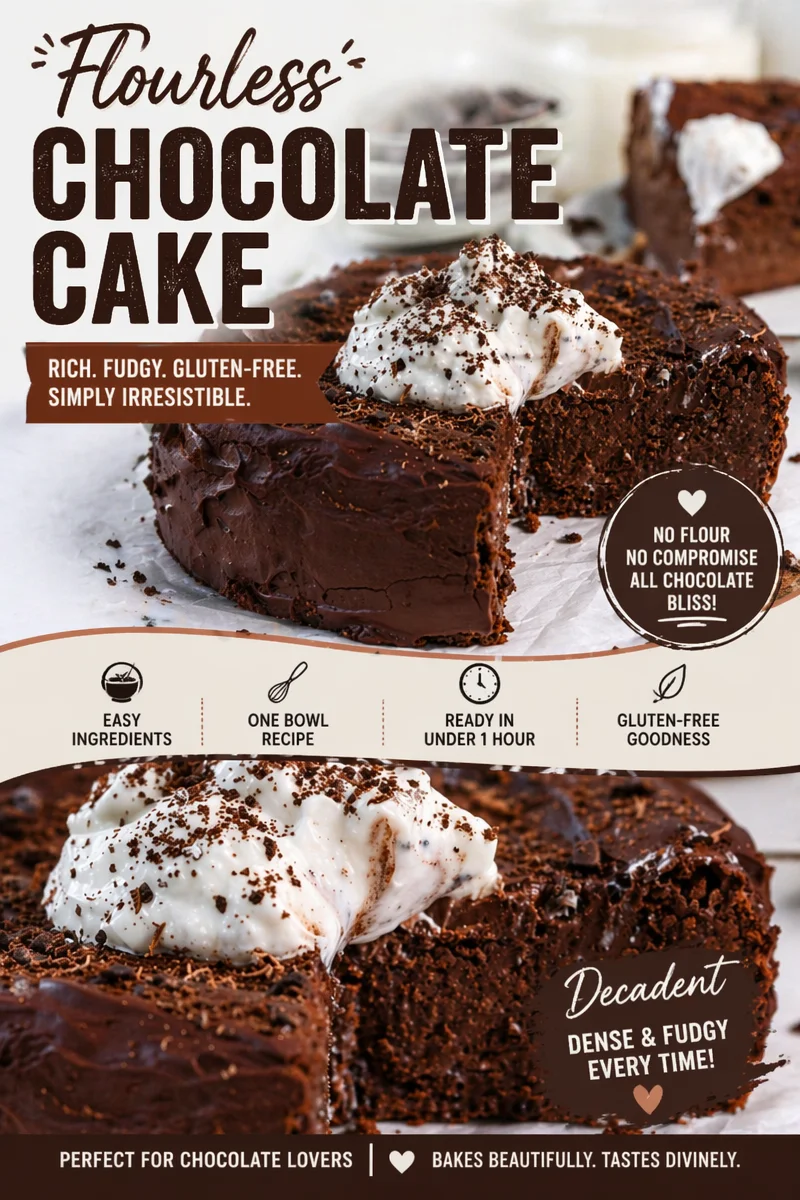
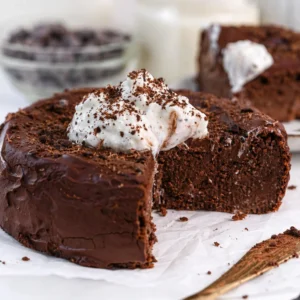
High Protein Chocolate Cake
Ingredients
Main Ingredients
- 1 cup plain Greek yogurt For moisture and protein
- 2 eggs Large eggs are recommended
- 1 to 2 ripe bananas, mashed More banana equals more sweetness
- 1 scoop protein powder (about 25 to 35 g) Pick a flavor you enjoy
- 1/3 cup cocoa powder For deep chocolate flavor
- 1/2 cup oat flour (or blended oats) Can be substituted with almond flour for gluten-free version
- 2 tsp baking powder For leavening
- 1 pinch salt Enhances chocolate flavor
- 2 to 3 tbsp maple syrup or honey (optional) If protein powder is not sweet
- chocolate chips, chopped nuts, or berries (optional) For added texture and flavor
Instructions
Preparation
- Preheat your oven to 350°F (175°C).
- In a bowl, whisk the Greek yogurt, eggs, and mashed banana until smooth.
- Stir in the protein powder, cocoa powder, oat flour, baking powder, and salt until well combined.
- If the batter looks too thick, add a splash of milk.
- Pour the batter into a lined or greased 8-inch pan.
Baking
- Bake for 20 to 28 minutes, starting to check at 20 minutes.
- Let it cool before slicing to prevent sticking.